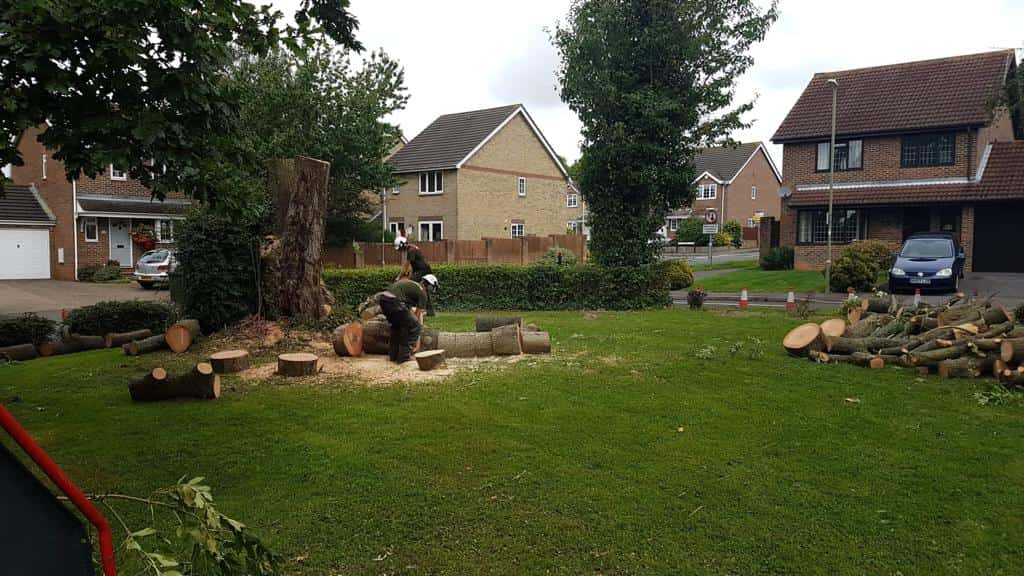
As trees age, their size, structure, and internal condition change. While mature trees add enormous character to gardens across Harlow, their increased weight and natural ageing process can make them more vulnerable to sudden failure. This type of failure often takes homeowners by surprise because outward signs are not always obvious. Understanding why older, heavier trees require closer monitoring can help prevent avoidable damage and keep your outdoor space safe.
Ageing Wood Becomes Weaker Over Time
As a tree gets older, its internal wood fibres gradually lose their strength. This natural decline can lead to:
- Reduced ability to withstand strong winds
- Hidden internal decay
- Brittle branches that snap under pressure
- Structural weaknesses deep inside the trunk
These changes often happen gradually and may not be visible from the outside. Older trees may appear healthy despite carrying significant internal vulnerability.
Increased Weight Puts Greater Strain on the Structure
Mature trees carry far more mass than younger ones. Their branches become thicker, heavier, and more widespread, placing constant stress on the trunk and root system.
The extra weight can create:
- Higher risk of branch drop
- Stress cracks forming in major limbs
- Increased likelihood of failure during storms
- Overloading in areas weakened by pests or previous damage
Without regular reduction work or structural pruning, the tree may struggle to support its own bulk.
Larger Canopies Catch More Wind
With age comes growth—and an expanded canopy behaves like a sail during windy conditions. This added wind load can cause sudden breakage or even uprooting, especially when combined with existing structural weaknesses.
Large, unpruned canopies are particularly vulnerable during:
- Autumn and winter storms
- High winds common across Essex
- Sudden gusts that strike from an unexpected direction
A crown reduction or thinning can help reduce this pressure significantly.
Hidden Root Problems Reduce Stability
Older trees often develop root issues that are not easily noticed. Compacted soil, past landscaping, fungal infections, or restricted growing space can all affect root strength.
Compromised roots may:
- Lose their grip in the soil
- Become unable to support the weight of the tree
- Allow tilting or leaning to progress unnoticed
- Lead to sudden collapse even without a storm
Roots play a crucial role in structural stability, and small problems underground can quickly escalate.
Decay Progresses Faster in Mature Trees
Internal decay is one of the leading causes of sudden failure. Once decay sets in, it can spread silently throughout an older tree. Fungi, moisture, or past injuries can create hollow sections or weakened areas that can give way without warning.
Tree surgeons are trained to identify early signs such as:
- Cavities
- Soft or crumbly wood
- Fungal growths at the base
- Unusual bark patterns
- Dead or dying limbs
Professional assessment is vital because these signs often go unnoticed until the tree is already unsafe.
Branch Unions Become Weaker With Age
Older trees frequently develop defective branch unions—areas where branches connect to the trunk at a poor angle or with included bark. Over time, these unions weaken and can split suddenly under weight or wind pressure. Without corrective pruning, the risk of failure increases significantly.
Conclusion
Old, heavy trees are a valuable part of the landscape in Harlow, but they come with increased risks that should not be ignored. Their ageing wood, increased weight, expanding canopies, hidden root problems, and susceptibility to decay all contribute to a higher likelihood of sudden failure.
Regular inspections, targeted pruning, and timely maintenance from a qualified tree surgeon are essential for keeping mature trees safe, healthy, and structurally sound.
If you have an older tree that you’re concerned about or you simply want expert peace of mind, Harlow Tree Surgeons can help. Get in touch to arrange a professional assessment and ensure your trees remain safe and well cared for.
Call us on: 01279 969 199
Click here to find out more about Harlow Tree Surgeons
Click here to complete our contact form and see how we can help with your tree care needs.